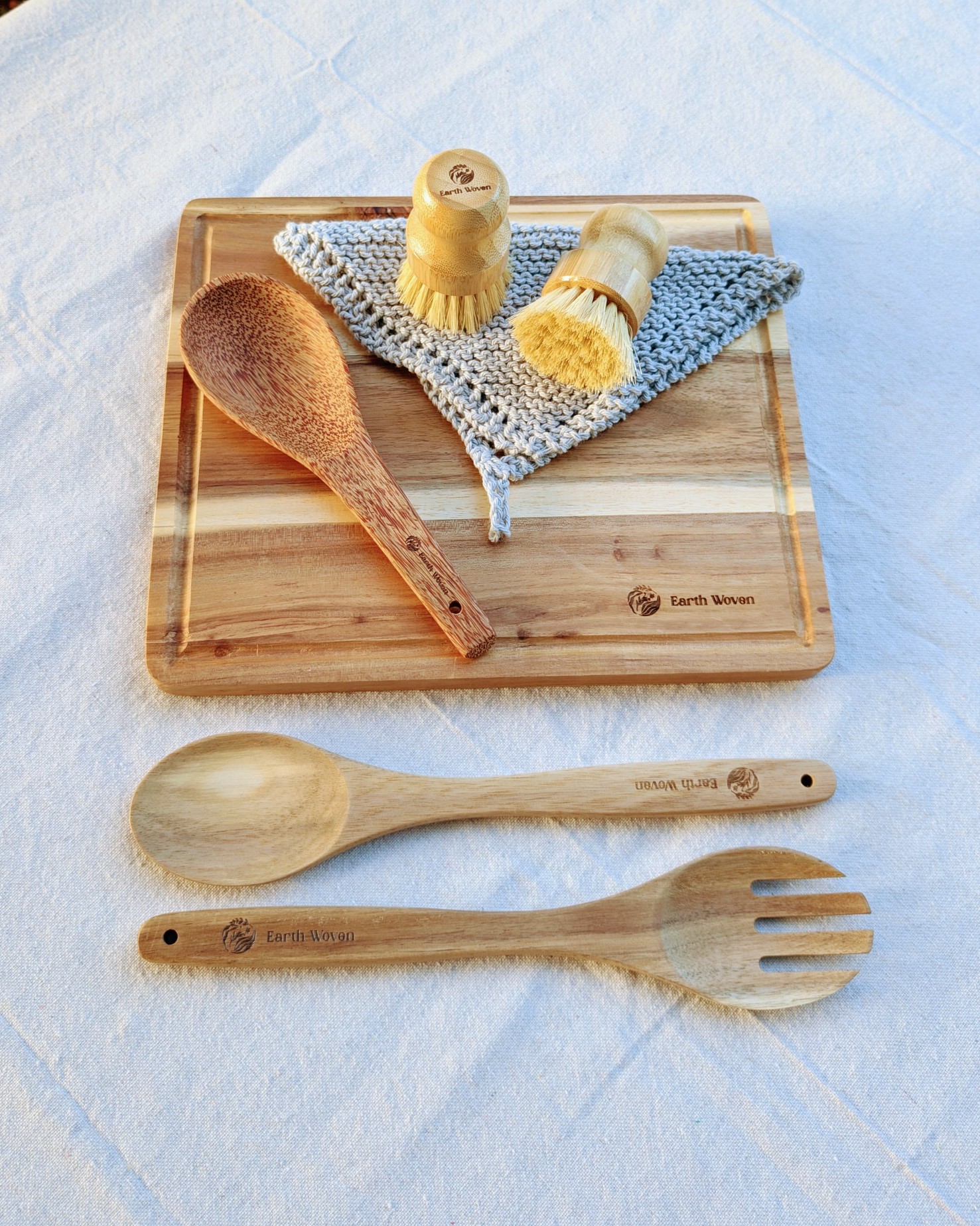
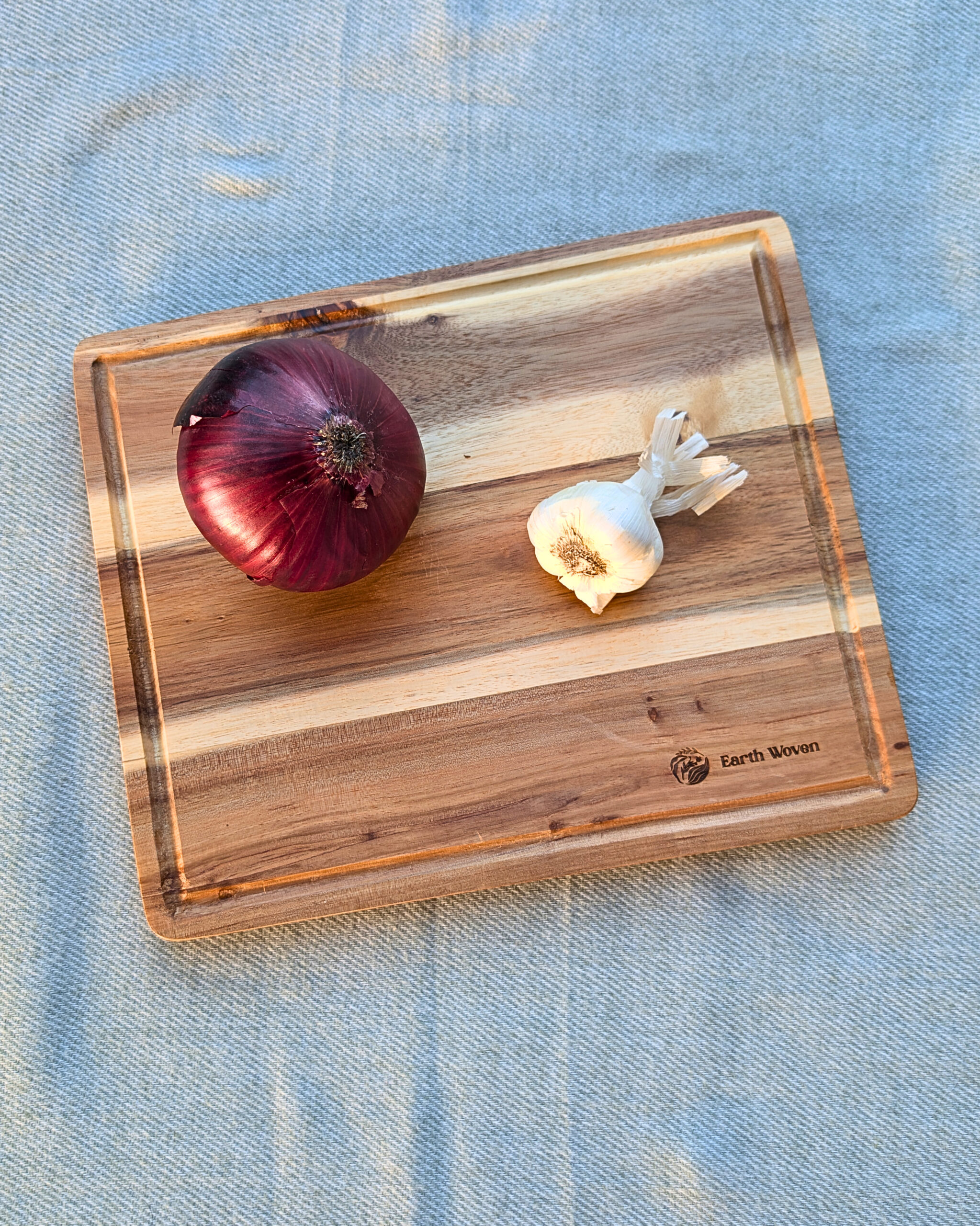
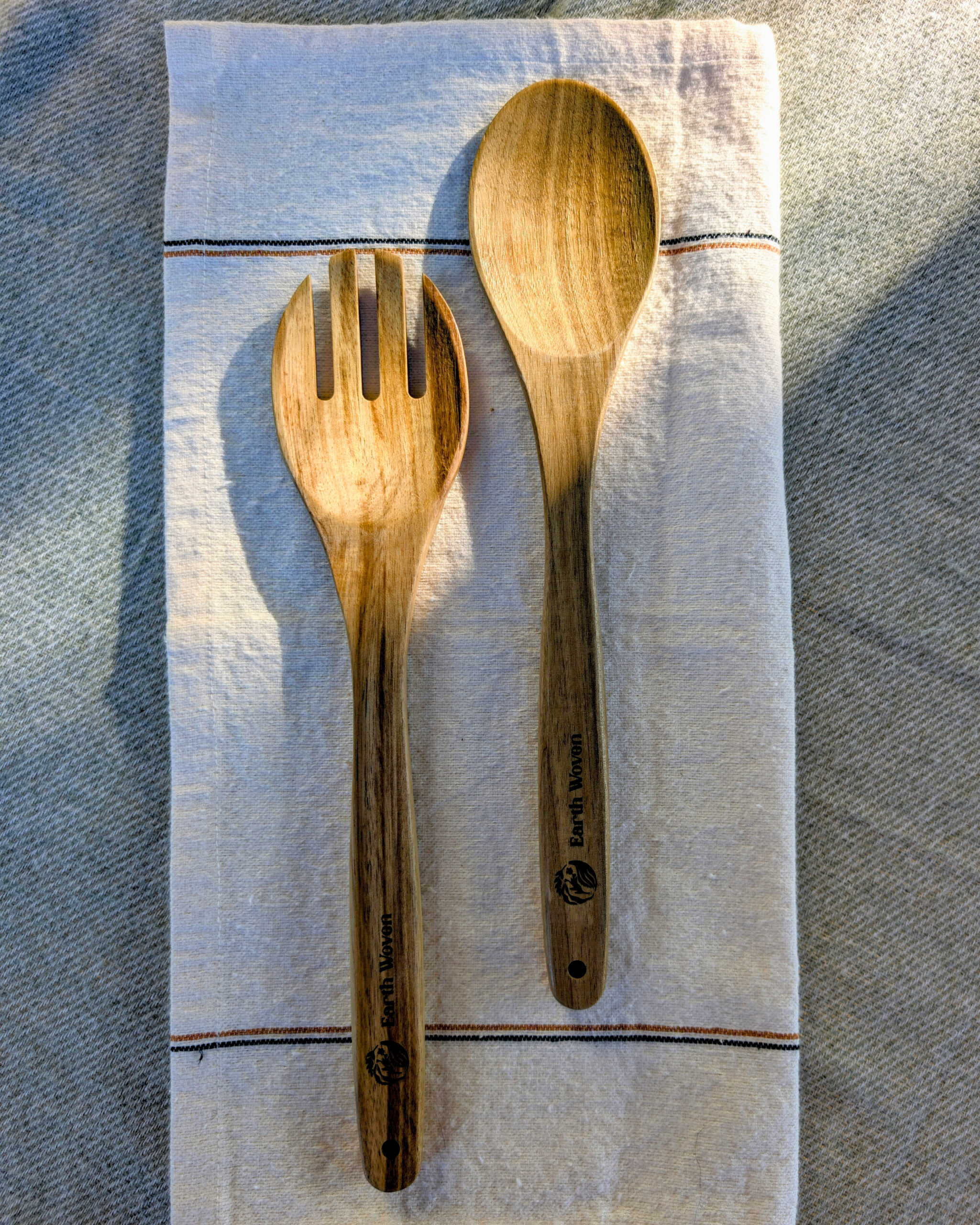
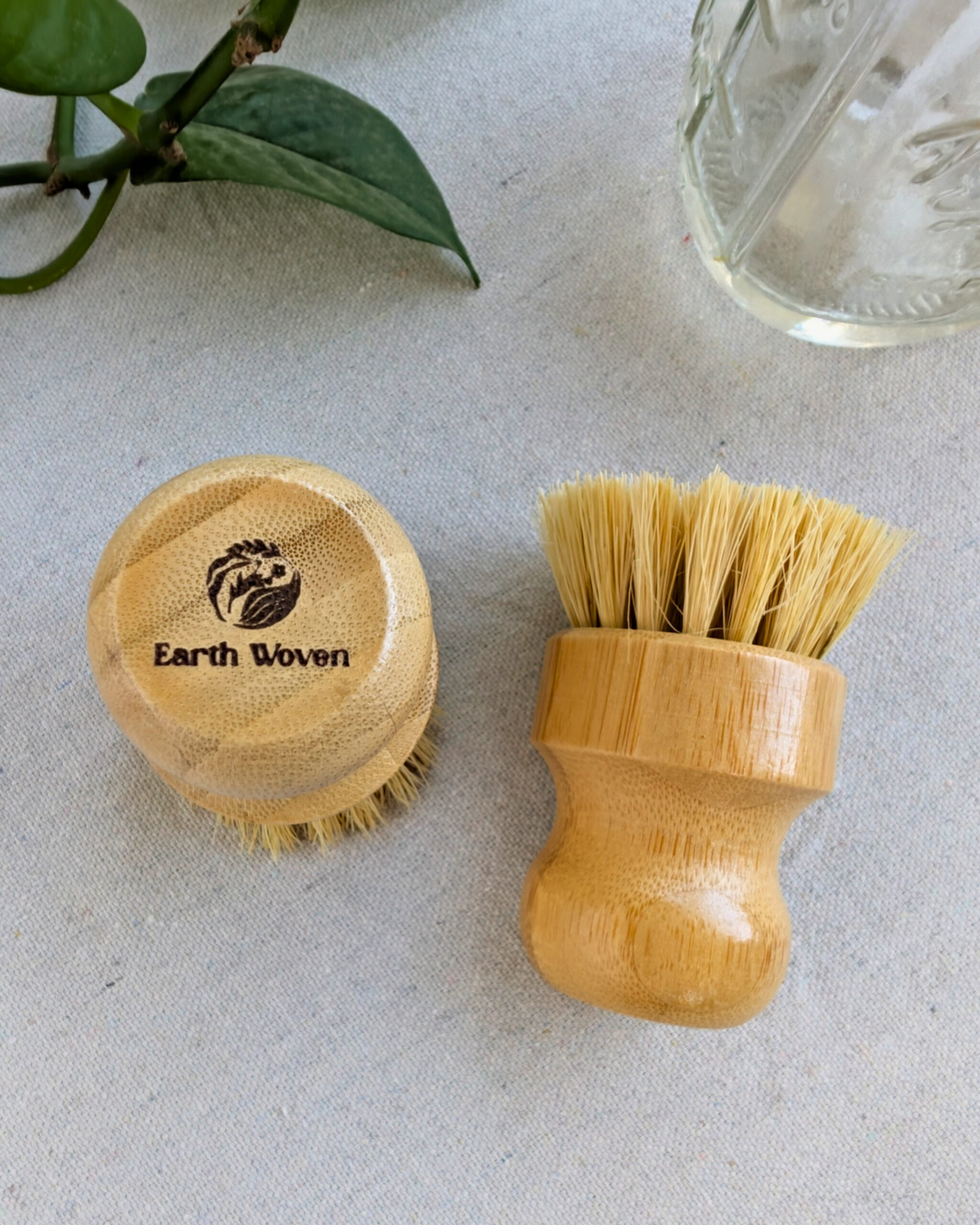
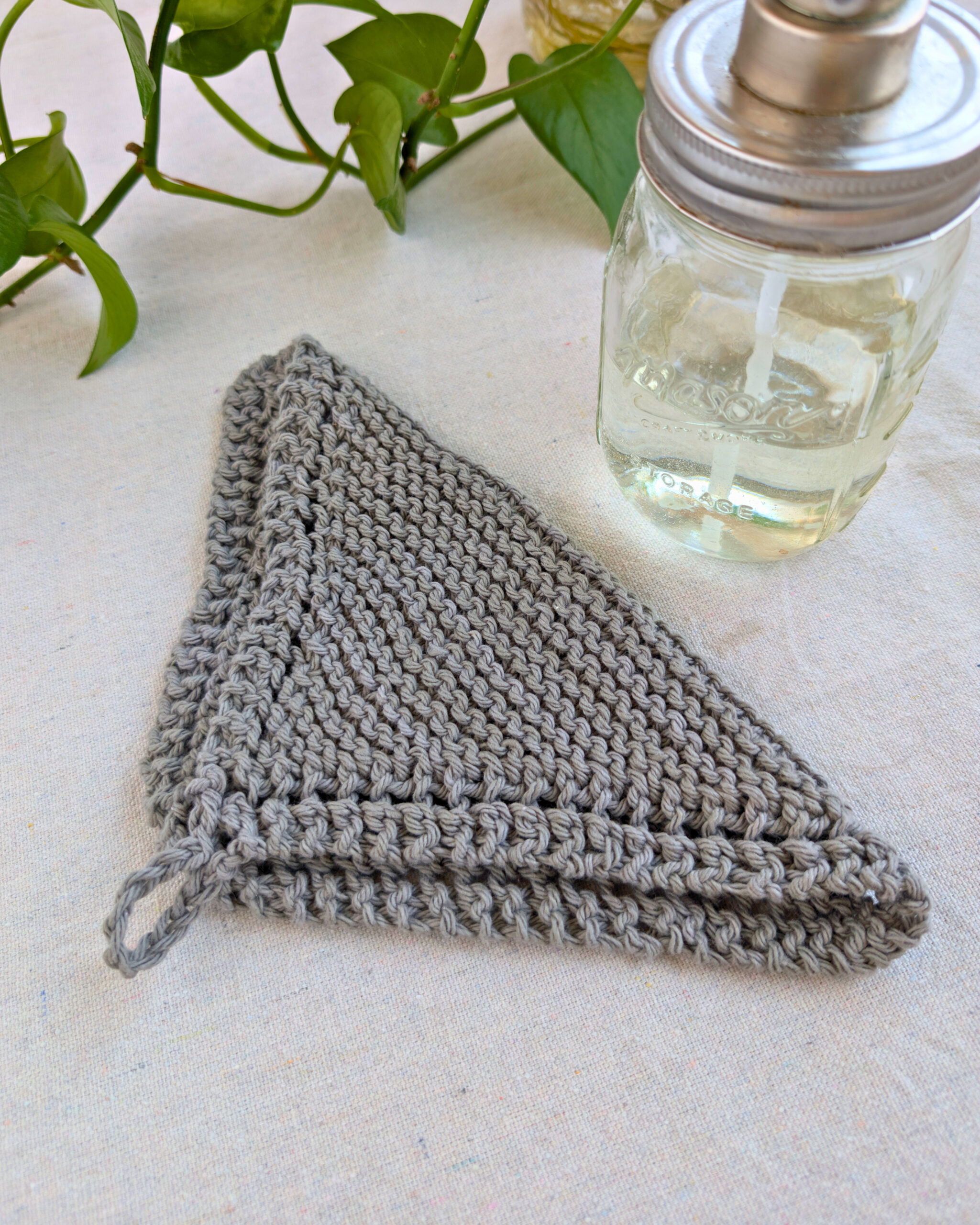
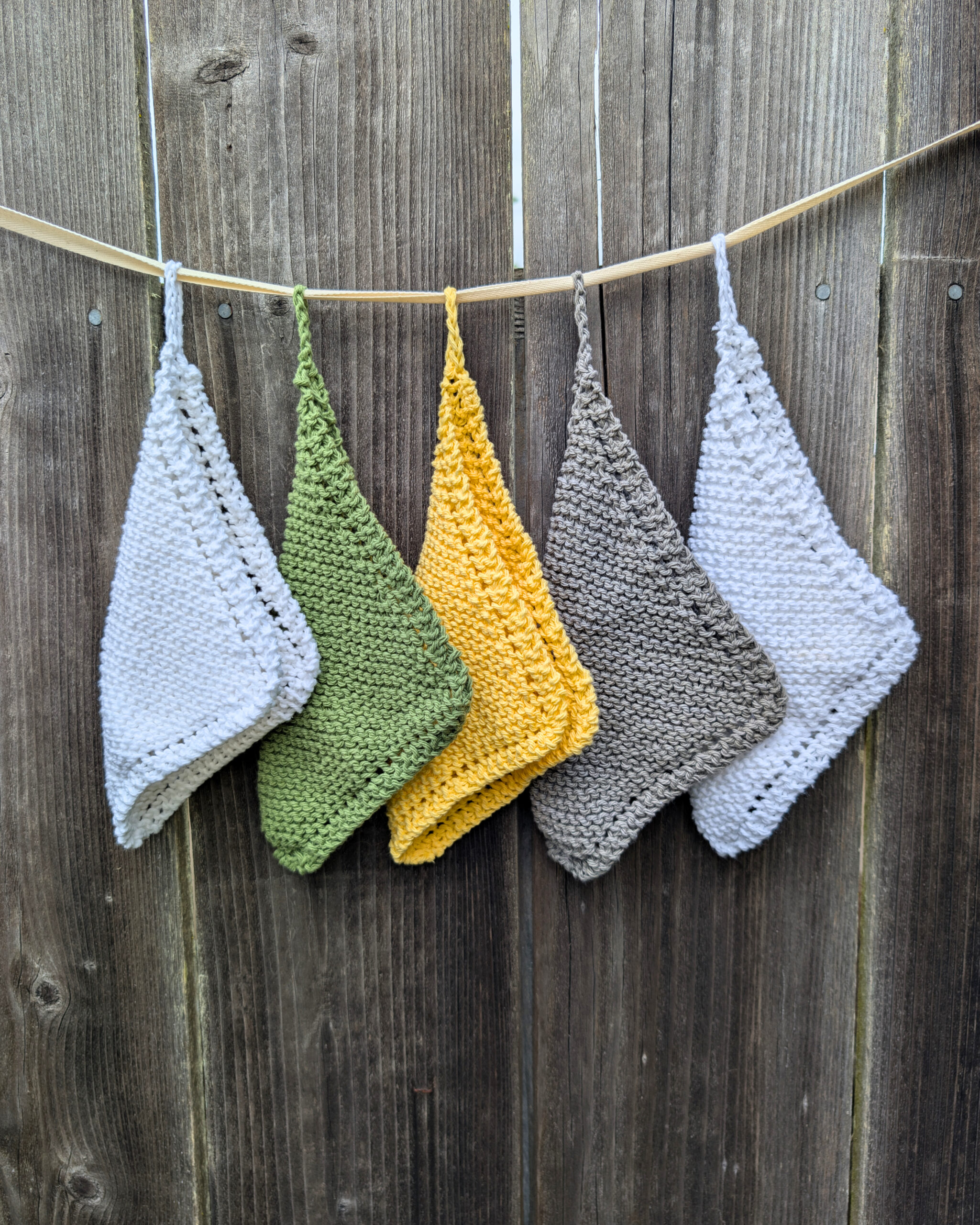
This is one of the main ways to reduce ingestion and exposure to microplastics in the kitchen—by replacing plastic tools with natural, plant-based alternatives.
Plastic kitchen items like cutting boards, spatulas, and brushes are major sources of microplastics. Studies show plastic cutting boards alone can shed 7.4–50.7 grams of microplastics per person per year (equivalent to 1–10 credit cards’ worth), with millions of particles potentially transferring to food during chopping. Plastic utensils and brushes add more through wear, scraping, and heat.
Emerging research links ingested microplastics to potential issues like gut inflammation, oxidative stress, microbiome changes, and risks to reproductive, digestive, and cardiovascular health
Beyond health, these renewable, responsibly sourced items (reclaimed coconut wood, acacia, fast-growing bamboo) lower your environmental footprint—biodegrading instead of persisting like plastics—and last longer, reducing replacements and waste.
Switching to the Full Zero-Waste Prep Kit is a simple, effective step for a healthier kitchen, less microplastic exposure, and a greener planet—one meal at a time.